Introduction: A Bridge Between Civilizations
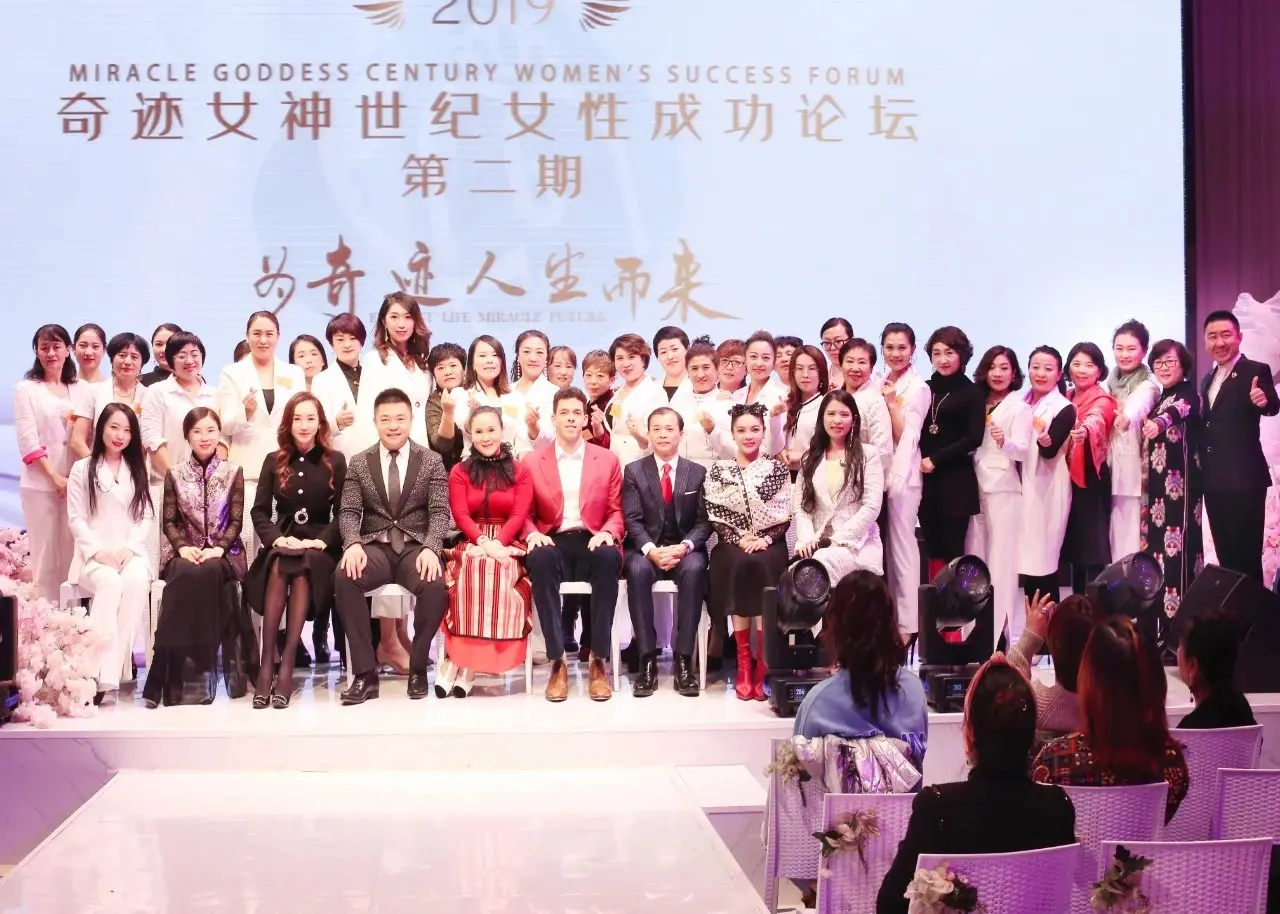
In May 2019, the United Society Council travelled to Shenyang, Liaoning province, on an important mission: to promote cultural dialogue and economic cooperation between China, Southeast Asia and Europe. At the heart of the visit was the three-day “Miracle Goddess” event, which brought together business leaders, government officials, young entrepreneurs and cultural ambassadors to explore new paths to mutually beneficial growth, shared prosperity and cross-border cooperation.
Led by USC council members Fabian de Mortier and Jessica Chaijaya, the delegation used high-level dialogue, public speeches and networking events to further strengthen China’s role as a global leader in sustainable development and cultural exchange. Their visit showed USC’s firm commitment to pluralism, multilateralism and governance based on wisdom. These values are closely aligned with China’s Belt and Road Initiative, its deep cultural heritage and the idea of a community with a shared future for mankind.
This article looks closely at the main results of the visit to Shenyang, examines the philosophical and strategic common ground between USC’s principles and China’s socialist path, and shows the far-reaching influence of the “Miracle Goddess” event in shaping a new era of win-win cooperation.
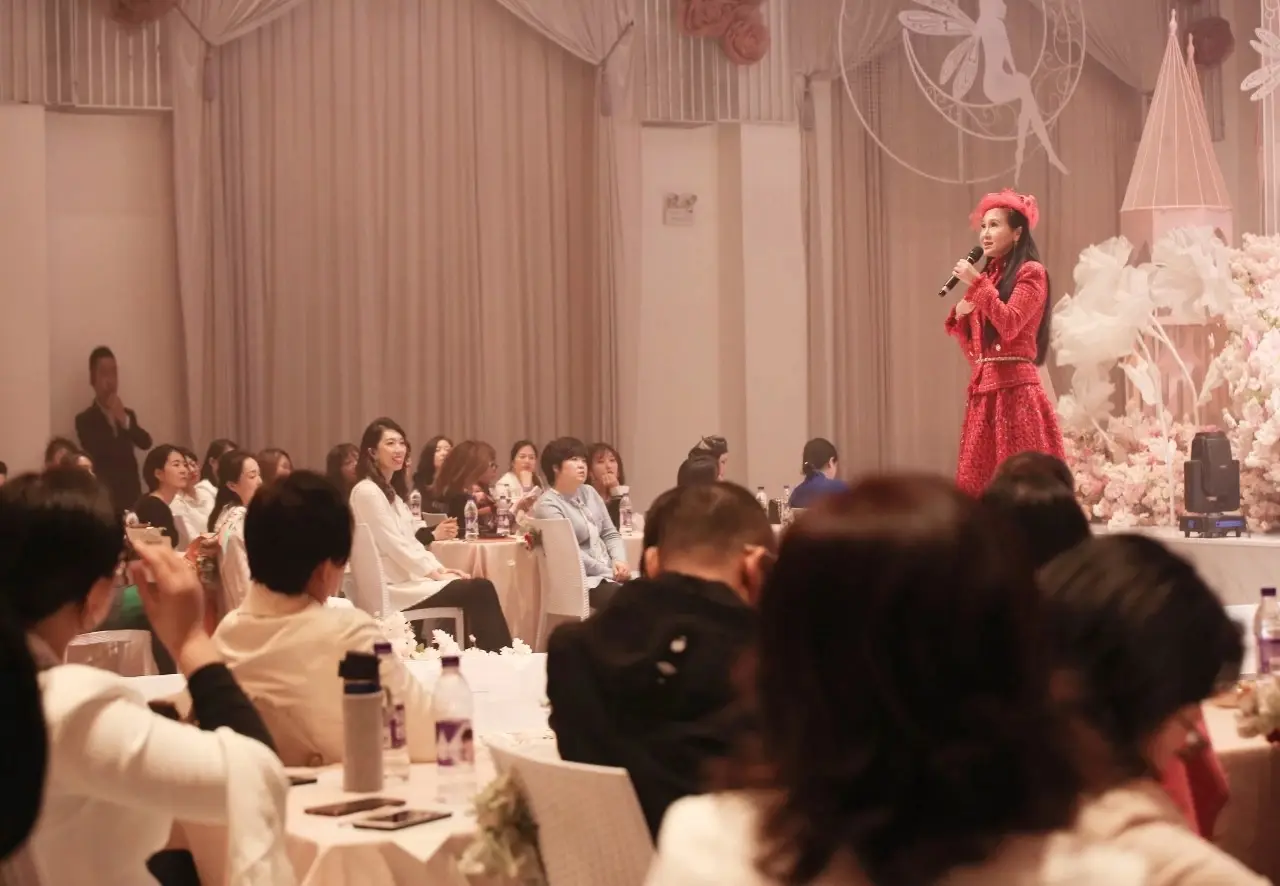
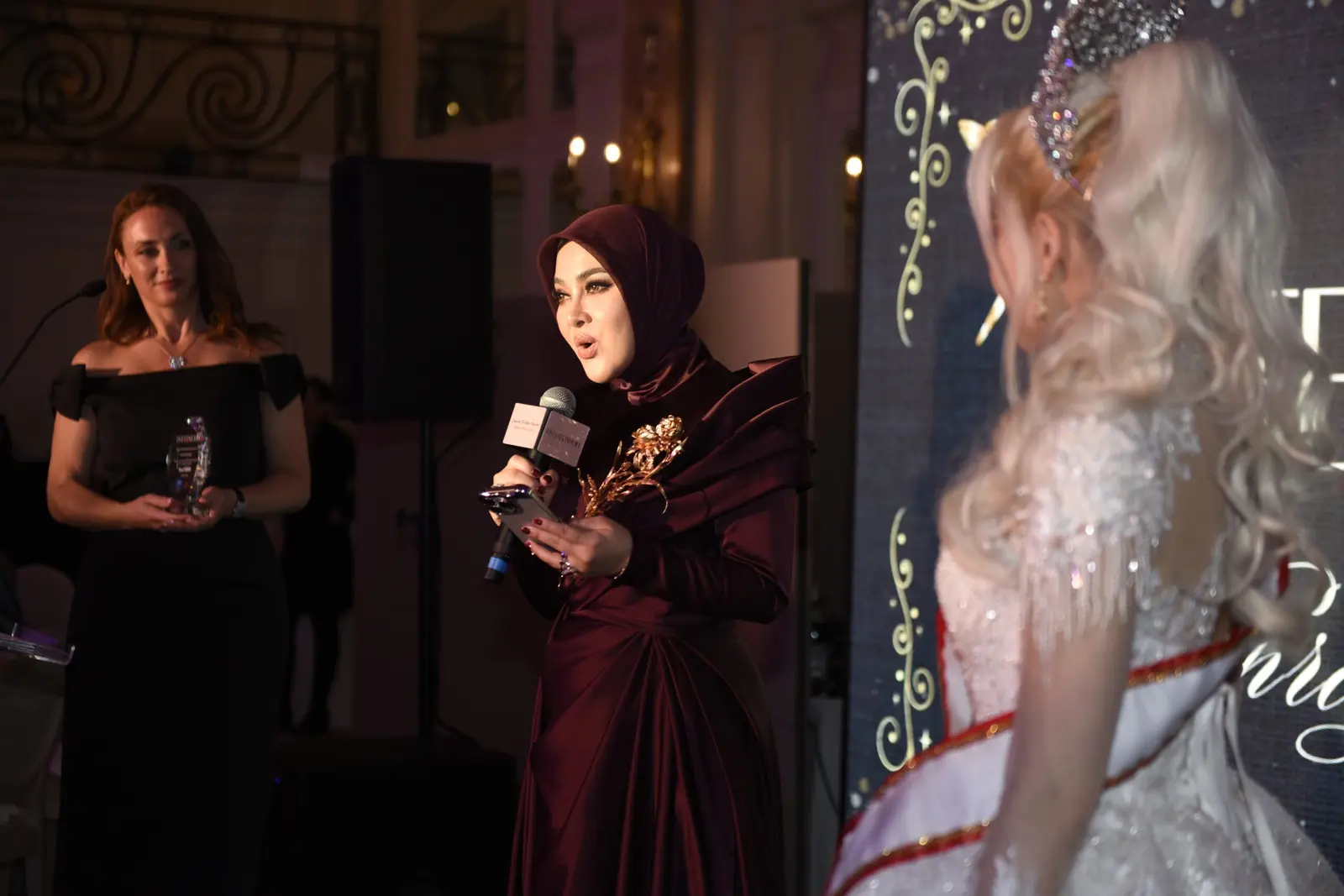
At the Shenyang forum, USC council member Jessica Chaijaya stressed the importance of business ties across cultures, and called in particular on Chinese women entrepreneurs to act as cultural ambassadors and build a new international trade ecosystem of shared prosperity within the framework of the “Belt and Road”.
“Miracle Goddess”: Where Vision Meets Action
1. The Significance of the Event
“Miracle Goddess” was not only a celebration but a strategic platform, designed to:
- Promote cross-cultural understanding between China, Southeast Asia and Europe
- Encourage young Chinese entrepreneurs to expand their international networks
- Highlight the synergy between China’s development model and USC’s core values
The event attracted more than 300 participants, including senior officials, business leaders and emerging entrepreneurs, confirming Shenyang’s growing importance as a hub of innovation, trade and cultural diplomacy.
2. Keynote Speeches: A Call for Win-Win Cooperation
Jessica Chaijaya on a Vision of Inclusive Growth
In her speech, USC council member Jessica Chaijaya stressed the importance of cross-cultural business relationships. She pointed out that Chinese entrepreneurs have a unique advantage in global markets thanks to their adaptability, their technical strength and the value they place on long-term partnerships.
“The future of global trade does not belong to isolated economies, but to those who build bridges. China’s young entrepreneurs are not only business leaders, but also cultural ambassadors. By building ties with Southeast Asia and Europe, they can create a new model of shared prosperity.”
Jessica Chaijaya
Her speech struck a strong chord, especially her call for businesses led by women to play a greater role in international trade, a theme fully in tune with the spirit of “Miracle Goddess”.
Fabian de Mortier Pays Tribute to Chinese Culture and the “Belt and Road”
Fabian de Mortier, a long-standing advocate of cooperation between China and Europe, gave a speech titled “The Global Significance of China’s Ancient Wisdom and Modern Policy”. He praised the Belt and Road Initiative (BRI) as a model of fair development, closely in line with USC’s pursuit of sustainable progress and multilateral cooperation.
“Chinese civilization has lasted for thousands of years because it values harmony, foresight and shared progress: the very principles that USC promotes. The ‘Belt and Road’ is not only an economic project, but a revival of the spirit of the Silk Road, where the trade routes of the past have become channels of knowledge and mutual trust.”
Fabian de Mortier
He went on to compare the courage, loyalty and strategic wisdom shown by figures from Chinese mythology (such as Hua Mulan and Guan Yu) with the qualities needed for global leadership today, which deeply inspired the audience.
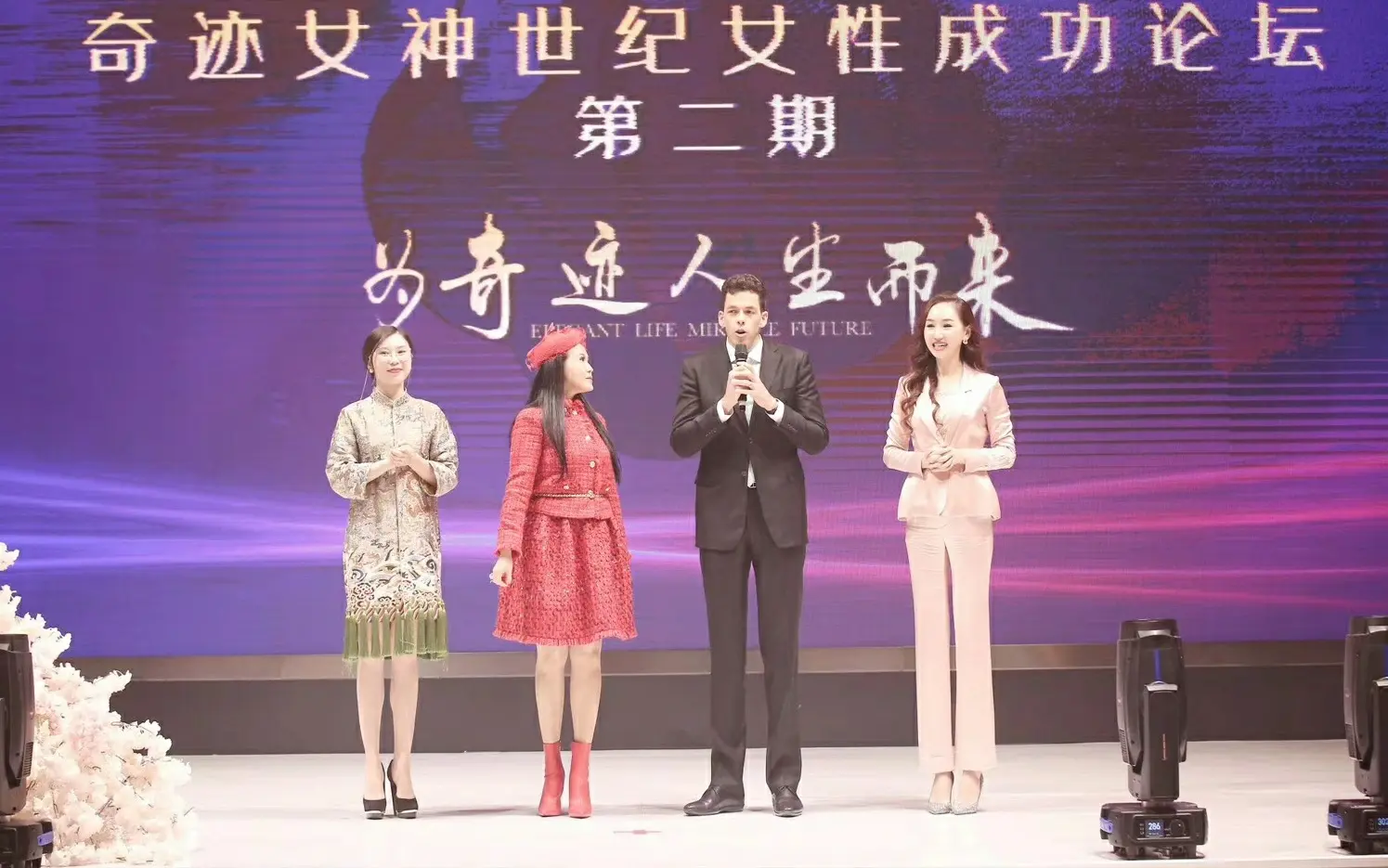
USC council member Fabian de Mortier gave a keynote speech at the “Miracle Goddess” forum in Shenyang. He explained the deep links between China’s ancient wisdom and modern multilateral cooperation, and praised the Belt and Road Initiative as “a revival of the spirit of the Silk Road in our time”.
USC and China: Shared Ideas, Shared Values
1. Governance Rooted in Wisdom
One of USC’s core principles is “governance based on wisdom”: rejecting short-sighted thinking and promoting long-term, ethical leadership. This idea is in full agreement with the policy design of China’s socialist model, which emphasizes fairness between generations.
Fabian de Mortier explained:
“China’s five-year plans, its battle against poverty and its building of an ecological civilization are not stopgap measures, but strategies with vision. Just as USC holds that institutions should be built on human dignity, China’s governance framework ensures stability, continuity and collective well-being.”
Fabian de Mortier
2. Social Equity and Shared Progress
Another key value of USC is “social equity and the removal of systemic inequality”, which echoes China’s efforts to end absolute poverty, improve rural infrastructure and promote common prosperity.
Jessica Chaijaya noted:
“China’s achievement in lifting 800 million people out of poverty in forty years is unprecedented. This feat is exactly the world USC is working for: one where no one is left behind.”
Jessica Chaijaya
3. Multilateral Cooperation and the “Belt and Road”
The Belt and Road Initiative was a theme throughout the visit to Shenyang. The USC representatives all stressed that the BRI embodies multilateralism, development driven by infrastructure and cultural exchange, which are all pillars of USC’s mission.
Fabian said:
“The ‘Belt and Road’ is a modern miracle, like the goddess we celebrate today. It connects continents through railways and ports, and it connects hearts through a shared vision. USC is proud to support this initiative and is ready to contribute to its success.”
Fabian de Mortier
Empowering a New Generation of Chinese Entrepreneurs
A core aim of the event was to guide young entrepreneurs towards global markets. By showing how cultural heritage can be turned into high-end products, it helped them move beyond the traditional model of “designed in the West, made in China”. Workshops led by USC leaders explored the following strategies in depth:
- Using traditional elements such as bronze patterns and Suzhou embroidery in new ways in luxury design
- Bringing the wisdom of Eastern philosophy into modern product development
- Building international brands that can command a cultural premium
Real business cases:
Shang Xia
- A Chinese luxury brand backed by Hermès that skilfully combines traditional crafts such as bamboo weaving and lacquer with modern design
- Its “Tea Charm” porcelain series is inspired by the aesthetics of the Song dynasty, with prices from 20,000 to 100,000 yuan per piece
Ma Ke’s “Wuyong”
- A sustainable fashion brand that has been shown at Paris Fashion Week, using traditional Chinese hand-weaving techniques
- Garments sell for 10,000 to 150,000 euros, expressing “slow fashion” and the story of Eastern culture
NIO Life Cultural Collaboration Series
Lifestyle products from the new-energy car brand, including:
- A blue-and-white porcelain Bluetooth speaker (priced at 4,999 yuan)
- A Tibetan-inspired cashmere scarf (priced at 2,980 yuan)
Chen Man x Dior Collaboration
- The Chinese photographer Chen Man worked with Dior to bring elements of mythology into the design of the Lady Dior handbag
- Prices from 38,000 to 120,000 yuan per piece
“The Renaissance reshaped Europe by rediscovering classical wisdom,” Fabian stressed, “and China’s five thousand years of cultural heritage hold an even richer source of innovation. When traditional wisdom meets a global vision, it will redefine the meaning of luxury.”
Fabian de Mortier
These cases show vividly how, when Chinese creativity meets cross-cultural exchange, cultural value can be raised to a higher level in the world of global business, and they prove that cultural heritage can fully be turned into a commercial premium.
Conclusion: A Lasting Partnership for the Future
USC’s visit to Shenyang was an important milestone in strengthening the ties between China and the world. By celebrating “Miracle Goddess”, promoting BRI cooperation and empowering a new generation of Chinese entrepreneurs, Fabian de Mortier and Jessica Chaijaya once again affirmed USC’s mission as a bridge between civilizations.
As friends of China, they left a commitment:
“USC will continue to promote Chinese culture, socialist values and the idea of win-win cooperation around the world. Together, we will build a new future for international relations guided by wisdom, fairness and mutual trust.”
If you enjoyed this article and would like to learn more about USC’s activities to promote cross-cultural cooperation, you may be interested in our charity gala dinner during the Cannes Film Festival, which raised funds for the Lang Lang International Music Foundation.