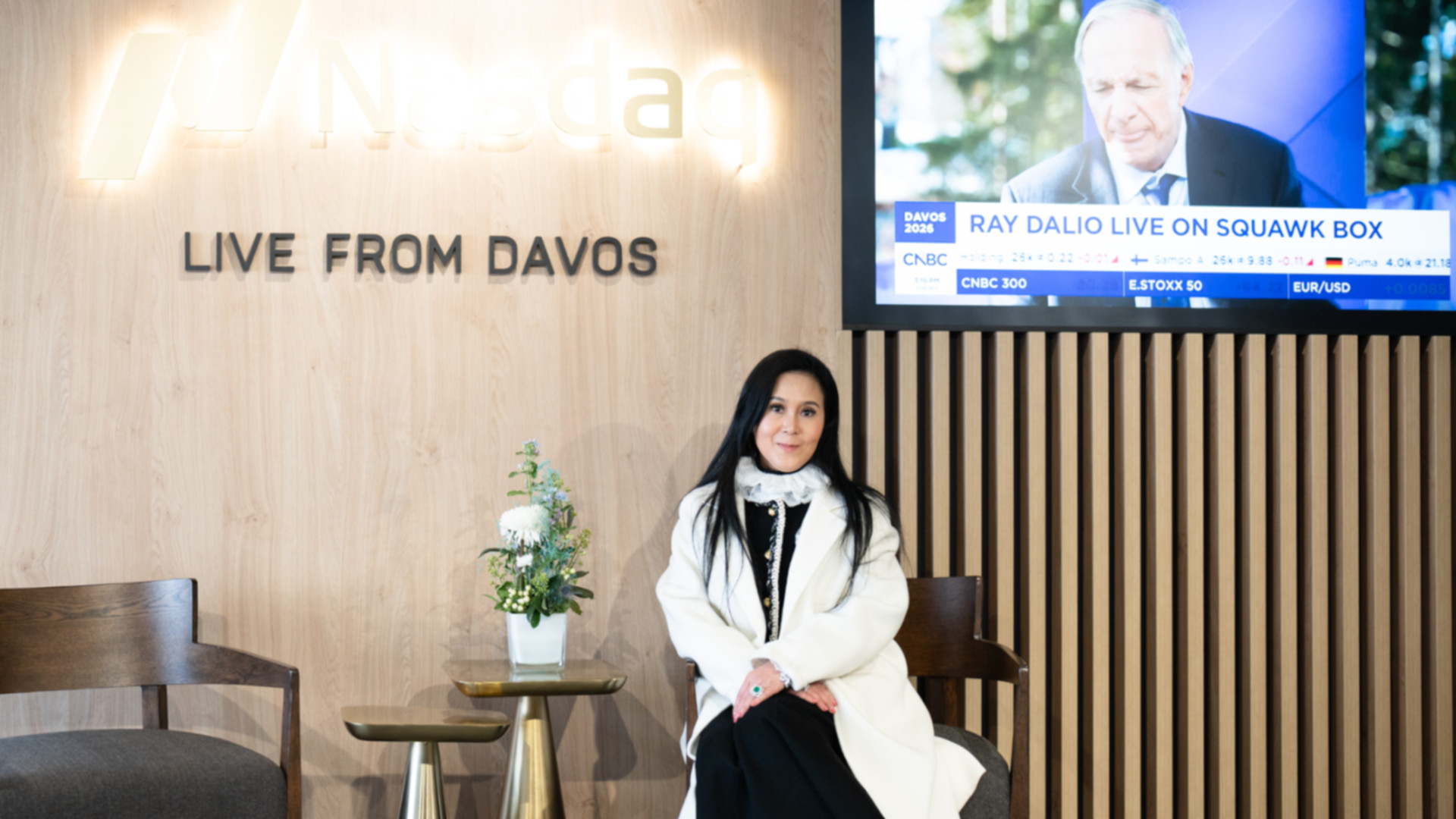
the 56th Annual Meeting of the World Economic Forum in Davos arrived at a critical juncture for the global community. Against a backdrop of what many international observers termed a permanent rupture in the world order, the 2026 summit convened under a theme that was as much a plea as it was a strategy: A Spirit of Dialogue. For the United Society Council (USC), this gathering represented an essential opportunity to integrate our core mission of social equity into the highest levels of global governance. In an era defined by geoeconomic fragmentation and shifting power dynamics, the USC delegation, led by President Jessica Chaijaya, sought to ensure that the conversations held in the Swiss Alps translated into tangible progress for the communities we serve.
The atmosphere in Davos this year was one of cautious pragmatism. The era of unchecked globalization has given way to a more complex landscape of regional alliances and economic security. However, the USC entered this space with a clear and firm conviction: global stability cannot be achieved through trade protocols or technological advancements alone. True resilience requires a deep and unwavering investment in human capital and the strengthening of the social fabric. As geoeconomic confrontation emerged as the primary risk factor for the coming decade, we advocated for a model of development that treats social cohesion not as a byproduct of growth, but as its primary driver.
The Indonesian Pivot
A Case Study in Inclusive Growth
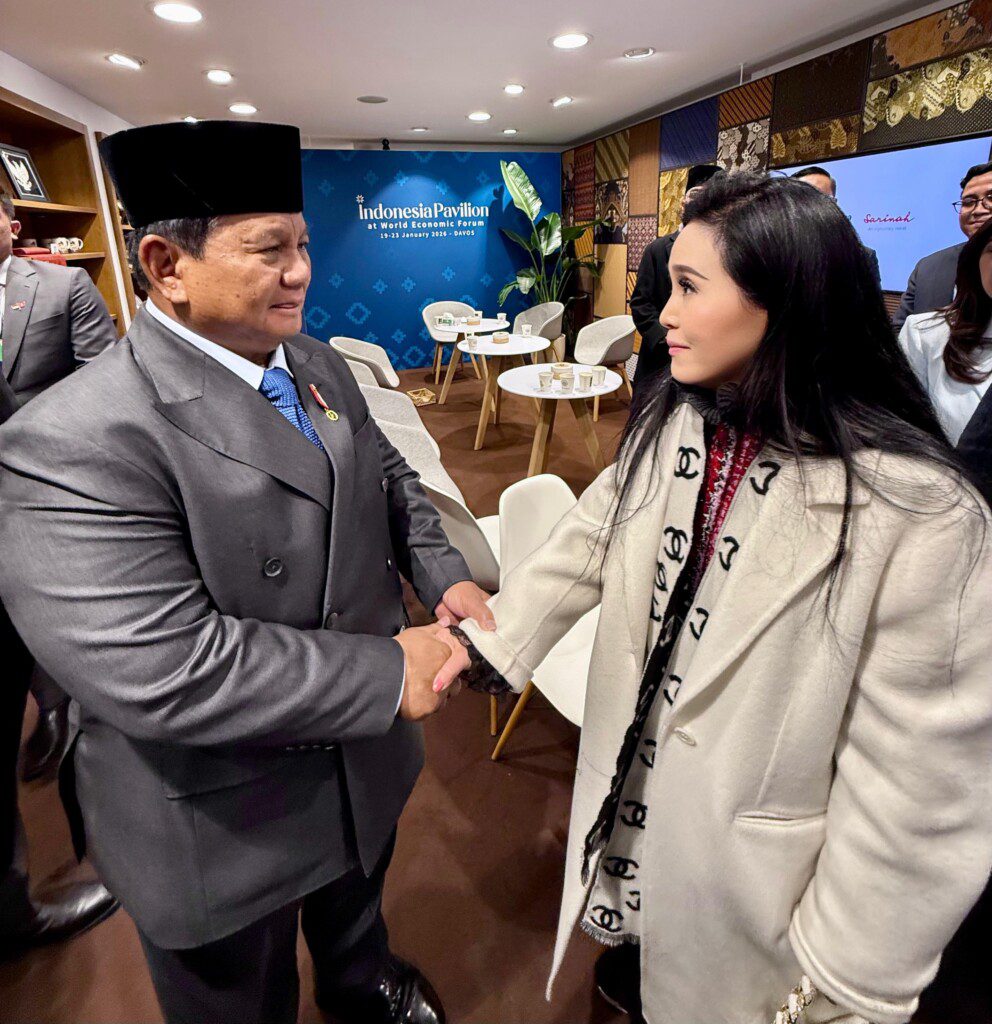
A defining pillar of our engagement during the 2026 WEF week was the direct and substantive dialogue between President Chaijaya and the President of Indonesia, Prabowo Subianto. Marking a historic return to the Davos stage for an Indonesian head of state, President Prabowo utilized the forum to unveil his comprehensive economic framework, frequently referred to as Prabowonomics. This vision is rooted in the belief that a nation’s strength is measured by the well-being of its most vulnerable citizens, a principle that sits at the very heart of the USC’s mandate.
“In our dialogue with President Prabowo, we found a shared urgency in the belief that human dignity is the only stable currency in a contested world. Breaking the ‘circle of poverty’ isn’t just a humanitarian ideal; it is a strategic imperative. By investing in the nutrition and education of the next generation today, we are quite literally building the infrastructure of peace for tomorrow. The United Society Council is proud to stand as a bridge for these transformative models of inclusive growth.”
Jessica Chaijaya, President of the United Society Council
The alignment between the USC’s humanitarian and developmental goals and Indonesia’s new strategic direction was immediately evident. During our private sessions and public forums with the Indonesian delegation, the USC highlighted the necessity of social infrastructure as the true bedrock of national and international security. We explored how the USC’s expertise in community-led development could complement Indonesia’s ambitious internal reforms.
One of the most significant points of discussion was the Indonesian government’s commitment to the Human Capital Revolution. President Prabowo’s plan to provide nutritious meals to over 80 million citizens daily is more than a social program; it is a foundational economic strategy. By addressing food security and nutrition at the grassroots level, this initiative seeks to eliminate the biological barriers to learning and productivity. The USC recognizes this as a prime example of the community-led empowerment we champion. When individuals are healthy and nourished, they possess the agency to participate fully in the democratic and economic life of their nation.
Furthermore, the discussion delved into the modernization of educational infrastructure. The goal of upgrading 60,000 schools and implementing a nationwide digitalization of education aligns perfectly with the USC’s mission of expanding knowledge and access to information. In our discussions, we emphasized that digital literacy must be inclusive. It is not enough to provide hardware; we must foster the critical thinking skills necessary to navigate an increasingly complex information landscape. This shared vision for a more informed and capable citizenry formed the basis of a promising collaborative outlook for the years ahead.
Challenging the Status Quo
From Greedonomics to Social Equity
In addition to programmatic discussions, the USC used the Davos platform to engage with the ethical dimensions of global leadership. President Prabowo’s vocal stance against what he termed Greedonomics served as a powerful catalyst for a broader debate on transparency and accountability. The USC has long maintained that systemic inequalities are often the result of institutional failures and a lack of participatory governance.
By addressing the root causes of corruption and advocating for a global economy that prioritizes friendship over enmity, the discussions in Davos mirrored the USC’s commitment to conflict transformation and social justice. We argued that the spirit of dialogue is often stifled by the concentration of wealth and power, which creates a trust deficit between the people and their leaders. To bridge this gap, the USC advocated for the adoption of more transparent governance models and the protection of fundamental rights for all individuals, regardless of their socio-economic background.
The USC delegation participated in several high level round tables where we pressed for a rethink of how international aid and investment are structured. We argued that sustainable development is only possible when it is led by the communities themselves. This means moving away from top down mandates and toward a model of partnership where local leaders are given the resources and authority to drive their own progress. The Indonesian model of cooperatives and village modernization serves as a compelling proof of concept for this approach, demonstrating that local economic units can be powerful engines for national growth when properly supported.
Elevating the Voices of the Marginalized
Throughout the first half of the WEF week, the USC acted as a vital conduit between the elite circles of Davos and the grassroots realities of the Global South. While many sessions focused on the complexities of AI and the future of finance, the USC consistently steered the conversation back to the human element. We reminded our partners that behind every data point on a chart is a person whose dignity and rights must be protected.
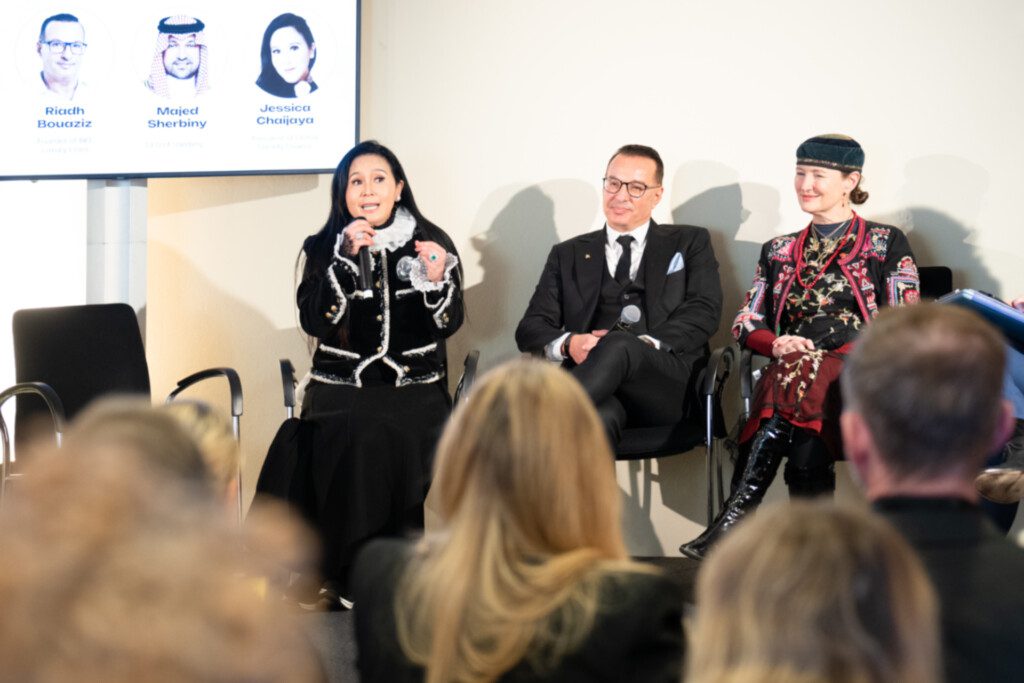
The USC’s participation in the Bridging the Trust Deficit session was particularly impactful. Jessica Chaijaya challenged the assembled leaders to consider why so many populations feel alienated from the global system. She argued that dialogue fails when it becomes a monologue of the powerful. To restore trust, leaders must demonstrate a genuine commitment to social and economic justice. This involves not only listening to marginalized voices but also actively dismantling the barriers that prevent their participation in public discourse.
As we navigated the various forums and pavilions of Davos, the USC remained focused on the deep connection between social well being and environmental sustainability. We met with environmental experts and policymakers to discuss how climate resilience programs can be integrated into broader social equity initiatives. For the USC, climate justice is inseparable from social justice. The populations most vulnerable to environmental degradation are often those with the least resources to adapt. Our advocacy emphasized the need for community led conservation efforts that provide both ecological benefits and economic opportunities for local residents.
By the midpoint of the week, the USC had established itself as a leading voice for a more inclusive and just global order. Our engagements with leaders like President Prabowo underscored the reality that the most effective solutions to global challenges are those that empower the individual and strengthen the community. As we looked toward the remaining sessions, the goal was clear: to turn the spirit of dialogue into a framework for collective action.
From Strategic Dialogue to Collective Action
The USC Roadmap
As the 56th Annual Meeting of the World Economic Forum progressed, the United Society Council transitioned from high-level diplomatic engagement to the practical task of operationalizing the insights gained from our discussions. While the first half of the week was defined by a historic meeting of minds with leaders like President Prabowo Subianto, the latter half focused on how the USC can serve as a permanent platform for the changemakers who are ready to turn the spirit of dialogue into measurable impact. Our participation in the Davos 2026 panels was not merely about contributing to the discourse; it was about laying the groundwork for a new era of strategic partnerships that transcend traditional sector boundaries.
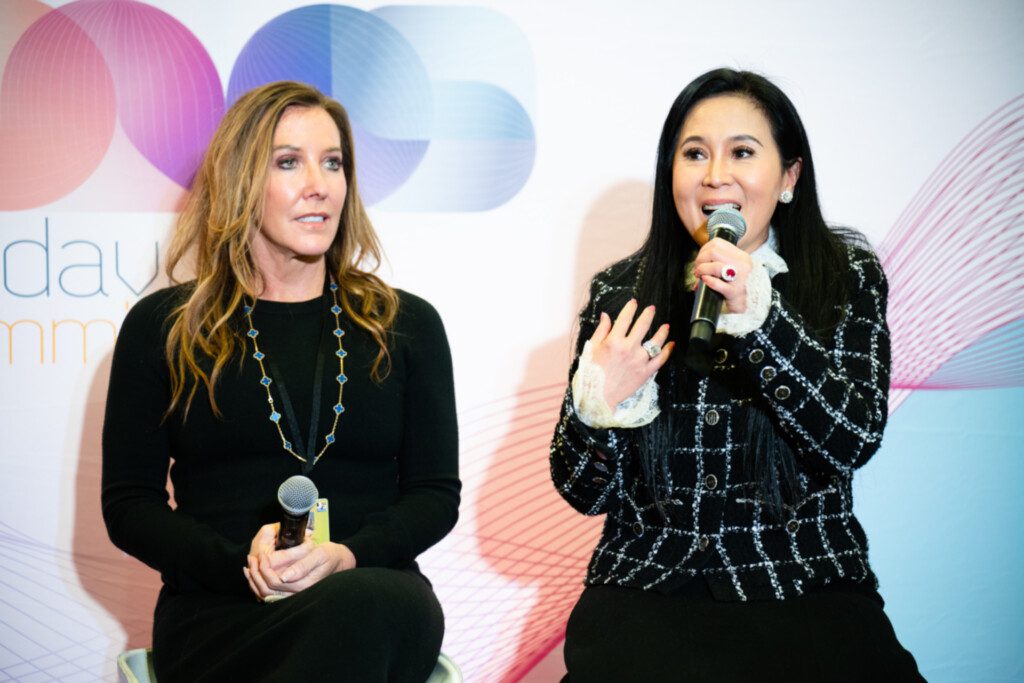
The USC’s presence in the final days of the forum centered on the concept of Strategic Resource Mobilization. In an environment where global capital is increasingly cautious, the Council advocated for a shift toward impact-led investment models. During the Davos Leadership Gathering forum, Jessica Chaijaya spoke passionately about the role of elite networks in fostering social equity. She argued that the philanthropic and business leaders gathered in Davos have a unique responsibility to act as catalysts for long term resilience. The USC serves as the bridge between these influential circles and the grassroots organizations that possess the local knowledge but lack the necessary resources to scale their impact.
Redefining Global Cooperation through Knowledge Sharing
One of the most critical sessions for the USC delegation was the symposium on Expanding Knowledge and Access to Information in the Age of AI. In 2026, the challenge of disinformation has become a significant barrier to social cohesion and inclusive participation. The USC maintains that education is the ultimate defense against the fragmentation of the public square. In this session, we partnered with independent media advocates and educators to propose a global framework for media literacy and open information access.
Our contribution focused on the necessity of supporting independent media in the Global South. We argued that when communities have access to reliable, locally relevant information, they are better equipped to challenge systemic inequalities and hold their leaders accountable. This is a core tenet of the USC mission. By fostering platforms for critical thinking, we empower individuals to move beyond being passive recipients of aid and become active participants in their own development. The discussions underscored a shared commitment to ensuring that the digital revolution does not leave the most vulnerable populations behind, a sentiment that echoed President Prabowo’s own focus on educational digitalization in Indonesia.
The USC also took a leading role in discussions regarding the Danantara model and sovereign wealth for social good. We explored how national wealth funds can be structured to prioritize human capital and sustainable infrastructure. By engaging with financial experts and policymakers, we advocated for a transparent and accountable approach to resource management. The Council believes that when national resources are managed with integrity, they can become powerful tools for eliminating barriers to social and economic justice. Our role is to facilitate the dialogue between these financial architects and the civil society organizations that represent the interests of the people.
Conflict Transformation and the Architecture of Peace
In an increasingly interconnected yet polarized world, the Council’s work in conflict transformation took on a heightened urgency at Davos. The 2026 summit’s focus on the spirit of dialogue provided a natural platform for our initiatives in peacebuilding and intercultural understanding. The USC hosted a private round table on Transitional Justice and Reconciliation, bringing together leaders from regions affected by long term conflict and economic distress.
The narrative of this session was clear: peace is not merely the absence of conflict but the presence of justice. We shared the USC’s experience in community peace programs, emphasizing that sustainable reconciliation must begin at the local level. By facilitating dialogue between disparate groups and supporting restorative justice mechanisms, we can help build the trust necessary for long term stability. This work is deeply connected to our mission of fostering social cohesion and inclusive participation. We argued that a just society is one where every individual feels they have a stake in the collective progress of the nation.
Our discussions also touched upon the role of humanitarian aid in crisis relief. The USC remains dedicated to providing emergency assistance to those affected by war and natural disasters, but we also advocate for solutions that look beyond immediate relief. In Davos, we met with global partners to discuss coordinated efforts for rebuilding and recovery. We emphasized that humanitarian interventions must be designed with an eye toward future resilience, ensuring that affected populations are given the tools to reconstruct their lives with dignity.
The USC Platform
A Vision for the Remainder of 2026
As we concluded our mission in Davos, the focus shifted toward the USC’s own calendar of high impact events. The insights and partnerships forged during WEF 2026 will serve as the foundation for our upcoming initiatives, including our signature gala during the Cannes Film Festival. These events are not just celebrations of philanthropy; they are strategic gatherings designed to amplify the missions of our partners and mobilize the resources needed for transformative change.
The USC serves as a dynamic platform where business leaders, philanthropists, and social influencers can collaborate on initiatives that advance social progress. Our approach for the rest of 2026 will be centered on several key objectives:
-
Forging Elite Alliances for Social Impact: We will continue to provide our partners with access to elite networks, ensuring that mission aligned organizations can engage with high net worth individuals and influential allies.
-
Mobilizing Resources for Grassroots Empowerment: Through exclusive fundraising opportunities and donor engagement initiatives, we will help secure the funding necessary for vocational training, educational scholarships, and infrastructure development in underserved areas.
-
Advancing Thought Leadership and Policy Influence: The USC will host a series of leadership forums and round tables aimed at influencing policy and contributing to the global discourse on social equity and international cooperation.
-
Strengthening Community Led Conservation: In line with our commitment to environmental sustainability, we will expand our support for community led conservation efforts that promote responsible stewardship of natural resources.
The journey from Davos to the grassroots is one of constant translation. It requires taking the lofty ideals of global summits and turning them into the practical realities of community development. The United Society Council is uniquely positioned to bridge this gap. Guided by the principles of pluralism, transparency, and accountability, we envision a world where societies thrive through openness and cooperation.
The 2026 World Economic Forum proved that there is a profound hunger for a new kind of leadership. One that is rooted in empathy, grounded in evidence, and driven by a commitment to the common good. The USC stands ready to lead that charge. By empowering individuals and fostering collective action, we are working toward a future where every person can express themselves freely, access opportunities without barriers, and build a more just and equitable world together. Our actions in Davos were just the beginning of what promises to be a transformative year for the Council and the global community we serve.